
10 Reasons CBD is Becoming So Popular
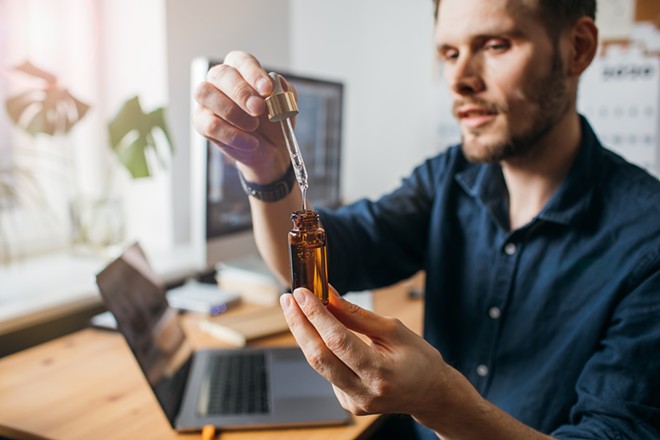
There’s no shortage of praise around cannabidiol (CBD). Despite being relatively new to the supplement market compared to other extracts, CBD’s popularity skyrocketed in ways nobody could’ve imagined.
Today, CBD is a staple throughout the cannabis industry, offering some of the best CBD products we’ve seen so far. But why has it succeeded where so many fad products and health elixirs failed?
Ultimately, the answer to that question is complex and multi-faceted. However, like all successful products, CBD is popular because people like it. To better understand the appeal, let’s look at 10 reasons why CBD is on its way to being a revolutionary health product with an enormous market share.
Also read: CBD gummies for pain management
1. Self-Regulation
Most of the products we consume are relatively safe thanks to regulators like the USDA and FDA, whose job is to evaluate and monitor products like food and medication.
Unfortunately, health supplements don’t have that kind of backing – even though there’s no reason why they shouldn’t. To their credit, the Food and Drug Administration eventually examined a small number of the existing CBD products on three occasions between 2014 and 2019. However, these items didn’t receive the best report cards.
However, as competition intensified, CBD vendors took it upon themselves to self-regulate. They strove for quality to remain competitive. Ironically, this may have been a more effective motivator than the threat of government oversight.
Thanks to this dynamic, customers have an easier time finding quality products.
2. Connection With Cannabis
They say even bad publicity is still publicity. This certainly rings true for CBD. Despite having none of the intoxicating effects of tetrahydrocannabinol (THC) found in “marijuana,” CBD had difficulty distancing itself from its illegal counterpart.
Still, this association was a considerable boon for cannabis advocates, who loved the idea of cannabinoid medicine without the high.
At the same time, however, the same connection was a turn-off for many anti-cannabis regulators, politicians, and health supplement users.
Either way, being synonymous with “marijuana” – however inaccurate – made CBD famous for some and infamous to others.
3. Innovation
A good product can only go so far before its appeal trails off. While this doesn’t seem to be in the cards for CBD, companies want to keep the momentum going. Over the years, they worked to ensure CBD extracts offer new and exciting benefits.
For instance, a select few vendors offer new and improved formulas containing CBD, CBG (cannabigerol), CBN (cannabinol), and other lesser-known cannabinoids. These enhance the overall effectiveness of CBD oils and other extracts.
Companies like Colorado Botanicals heave released CBD oils containing established supplements like Curcugen (curcumin) and Boswellia.
Improvements to extraction and formulation also play a crucial role, such as proprietary adaptations of conventional CO2 extraction to improve natural cannabinoid and terpene retention.
This is just the tip of the iceberg, and it’s likely innovations will further refine CBD products to make them better than ever.
4. Effectiveness
While there’s still debate about how effective CBD is from one person (and condition) to another, the response from customers and researchers has been overwhelmingly positive.
CBD is a multi-million dollar industry in the U.S. alone
, which experts predict will grow exponentially. There’s no shortage of testimony telling life-changing stories about people whose quality of life improved dramatically thanks to these health products.
However, we can’t stress enough that most research is preliminary, albeit promising. That’s why it’s essential to have realistic expectations when using CBD for the first time.
5. New Research
Speaking of research, the scientific community’s attitude towards cannabinoid medicine underwent a dramatic shift in recent years. Initially, most doctors wouldn’t give CBD the time of day, let alone prescribe or recommend it.
But ever since the creation of
(the first CBD-derived epilepsy drug approved by the FDA) and hundreds of preliminary trials, the evidence continues to tip in CBD’s favor.
6. Several Product Options
We have varying evidence that CBD oil might help alleviate specific symptoms, but some people have difficulty getting past the “hempy” taste of the oil. There are also some disadvantages to ingestible CBD, including low bioavailability and delayed action.
But now, things evolved. Vapes, candy, drinks, bath bombs, patches, and hemp joints (to name a few) give users new and potentially more effective options for their therapeutic needs.
Naturally, this increased variety also substantially broadens the consumer base, appealing to a broader audience.
7. CBD May be Safer than Some Medications
Why take several medicines when you could address everything in a single supplement? That’s the conclusion many CBD fans reached before trying the products.
While we don’t recommend forgoing conventional treatment for experimental options like CBD, it can still provide supportive benefits with few to no side effects.
Generally,
, with adverse reactions like drowsiness, headache, and gastrointestinal issues.
8. CBD is Versatile
We should always be wary of products that claim to be cure-alls, as was the case when CBD started gaining traction. But once the dust settled and the myths were busted, researchers found some truth to the “jack-of-all-trades” reputation.
Aside from its confirmed efficacy against certain types of severe epilepsy, there’s a good chance people can benefit from CBD oil for blood pressure, inflammation, pain, nausea, sleep issues and more.
9. CBD Can be Inexpensive
CBD prices vary from one vendor to another, but it’s not hard to find value and quality in one package. This can be a game-changer for people who may not have insurance or adequate coverage to pay for prescriptions. Epidiolex, for instance, costs about $35,000 per year.
But you can easily get a month’s supply of CBD at a fraction of the cost compared to many medications.
10. CBD Vendors are Everywhere
When CBD was a small niche product, few CBD companies were available to meet the demand. Consequently, cannabidiol products weren’t available to everyone in every state.
Today, the landscape is very different, with CBD appearing on store shelves like Walgreens and other brick-and-mortar retailers. Pretty much every vendor also ships throughout the U.S., with some who even cater to international customers.